4 Tips for Organizing Your Pantry
An organized pantry isn’t just about aesthetics—it’s about making your daily life easier. When your pantry is set up with simple, functional systems, you save time on meal prep, reduce food waste, and eliminate the stress of digging through clutter to find what you need.
If your pantry feels overcrowded or chaotic, the solution isn’t buying more containers—it’s creating a system that works for how your household actually functions. These four tips will help you reset your space in a way that’s both practical and sustainable.
1. Start with a Full Reset
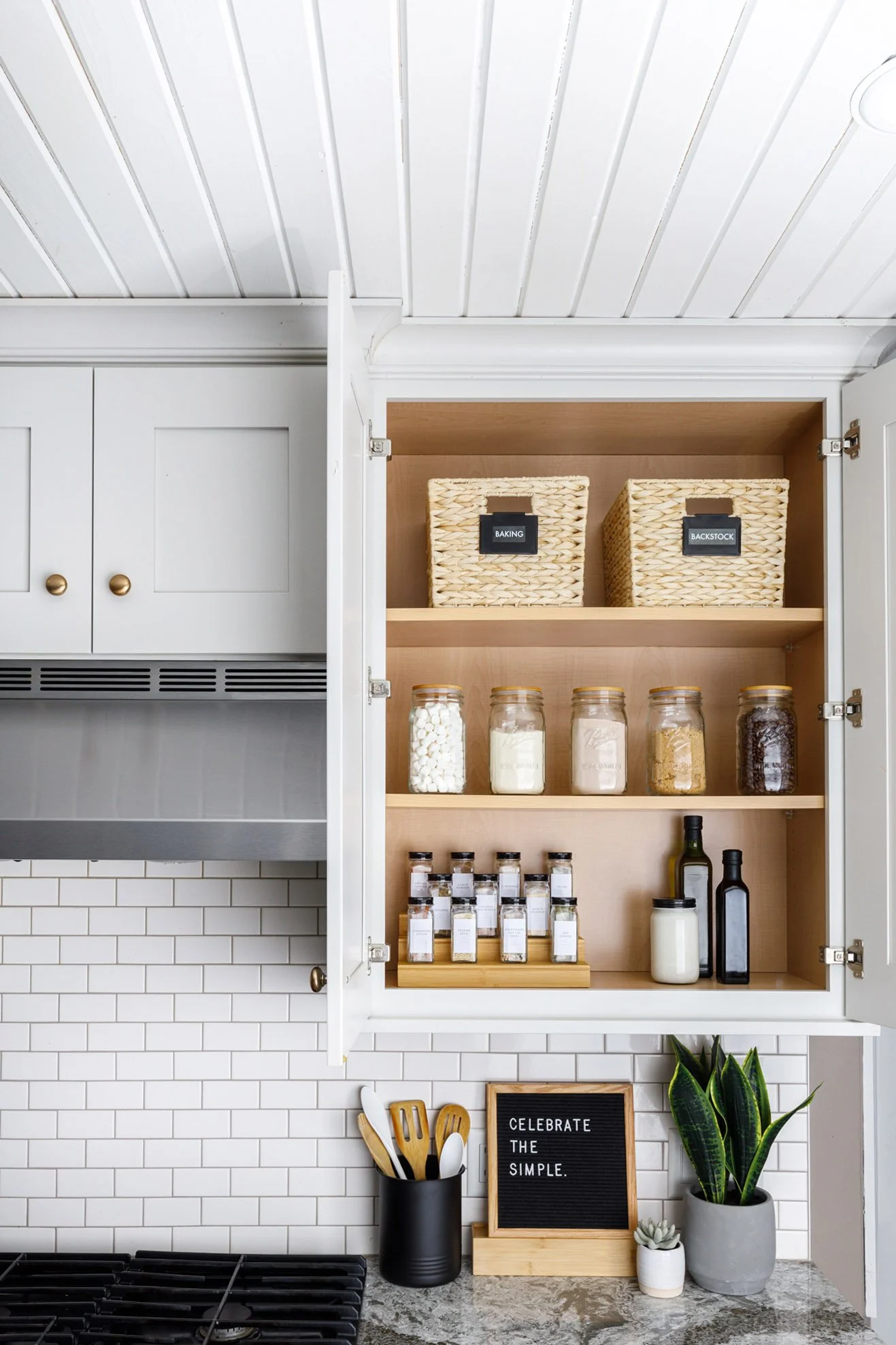
Before you can organize your pantry, you need to see exactly what you’re working with. That means taking everything out—yes, everything.
This step gives you a clean slate and helps you quickly spot expired items, duplicates, and things your family simply doesn’t eat. It’s also the moment where most people realize they have far more than they thought.
As you go through your pantry items, sort them into clear categories like snacks, baking supplies, canned goods, grains, and breakfast items. Let go of anything expired or unused, and be honest about what your household actually reaches for on a weekly basis.
If this step feels overwhelming, it’s worth slowing down here. A thoughtful reset makes every step that follows significantly easier—and far more effective.
2. Create Categories That Match Your Life
One of the biggest mistakes people make with pantry organization is copying systems that look good but don’t match how they actually use their space.
Instead of organizing by what seems “right,” organize by what makes sense for your daily routine. Think about how you cook, what your kids reach for, and which items you grab most often.
Group similar items together in a way that feels intuitive. For example, instead of scattering snack items throughout the pantry, create a dedicated snack zone. The same goes for breakfast foods, dinner staples, and baking ingredients.
When your pantry is organized this way, you eliminate decision fatigue. Everything has a clear place, and you’re not wasting time searching across multiple shelves to find what you need.
This is also where you start reinforcing long-term habits. When items are grouped logically, it becomes much easier to maintain order without constantly rethinking your system.
3. Use Containers and Labels with Intention
Storage solutions should support your system—not complicate it. We love products and especially in a pantry, you will absolutely benefit from adding them. In fact, my very first appearance on Real Milwaukee back in March 2023 was all about products for your pantry, and I wrote a blog post about it here.
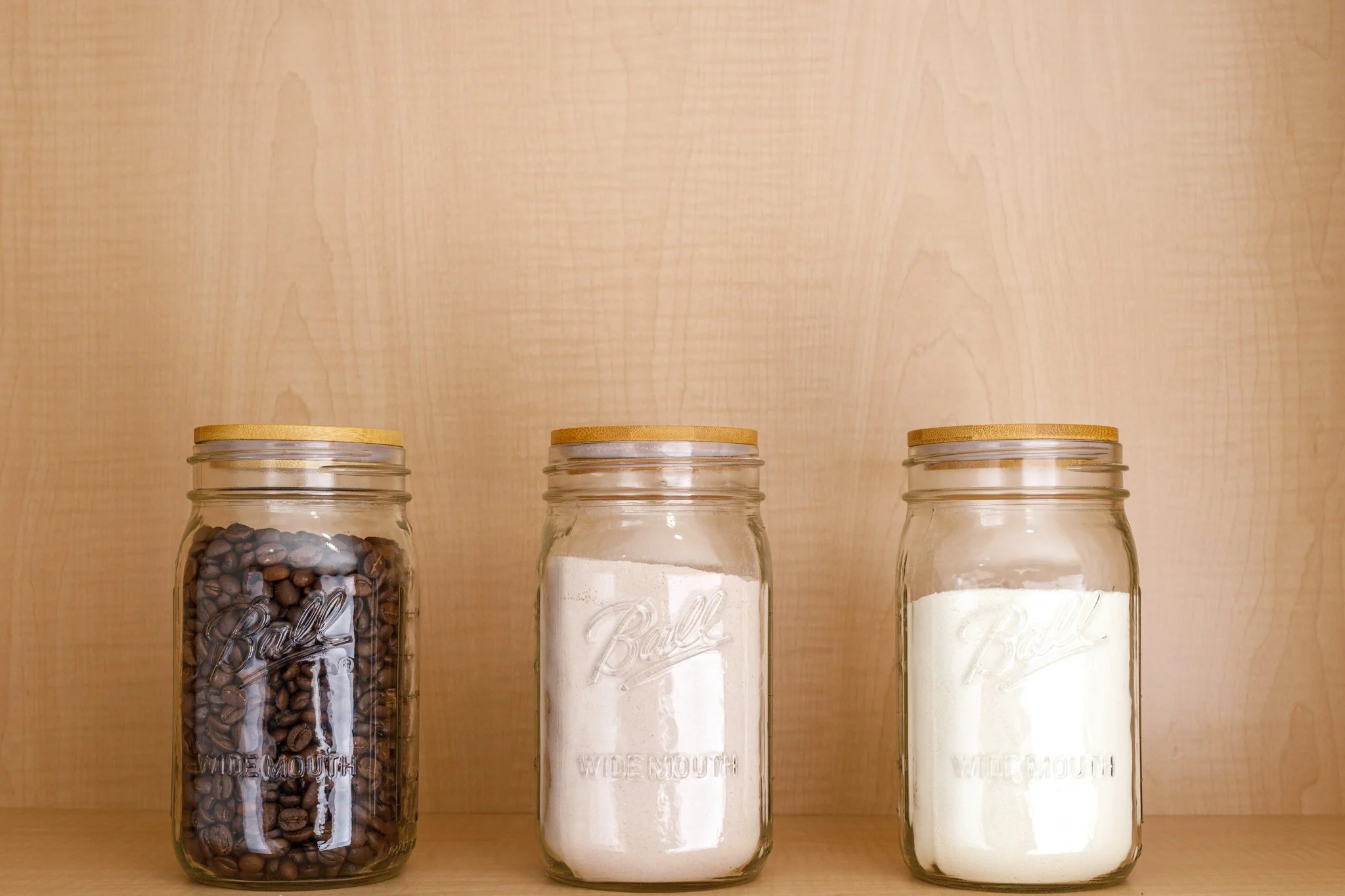
Clear containers can be incredibly helpful for pantry organization because they allow you to see exactly what you have at a glance. This reduces overbuying and helps you keep track of inventory without extra effort. They’re especially useful for items like pasta, rice, cereal, flour, and snacks.
That said, not everything needs to be decanted (dumping the food into a separate air tight container). Decanting does not work for every family either, as it definitely takes more time to manage. The goal is to simplify your space, not create extra steps. This is something we talk to every client about when organizing their pantry, as personal preference is key.
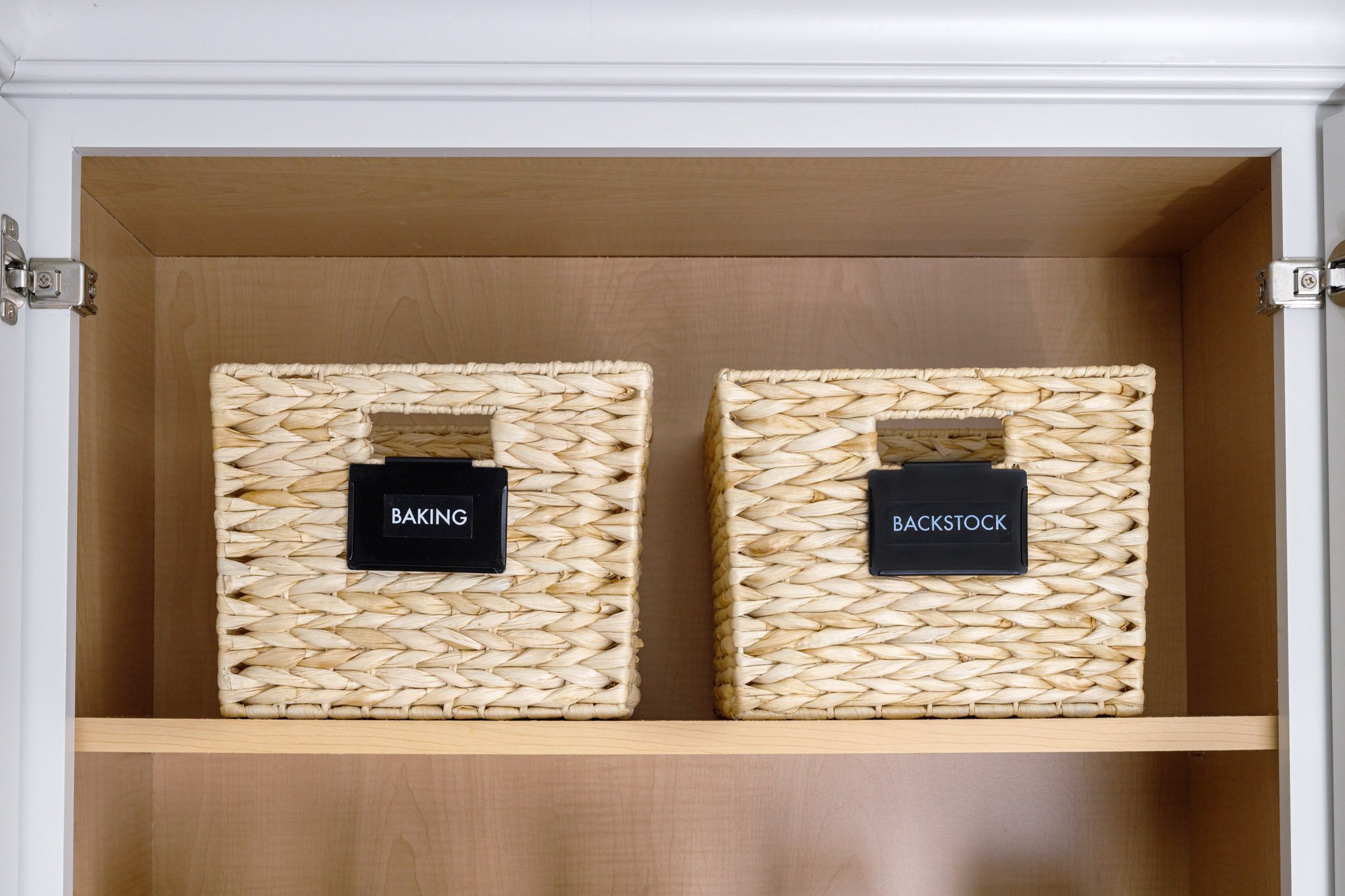
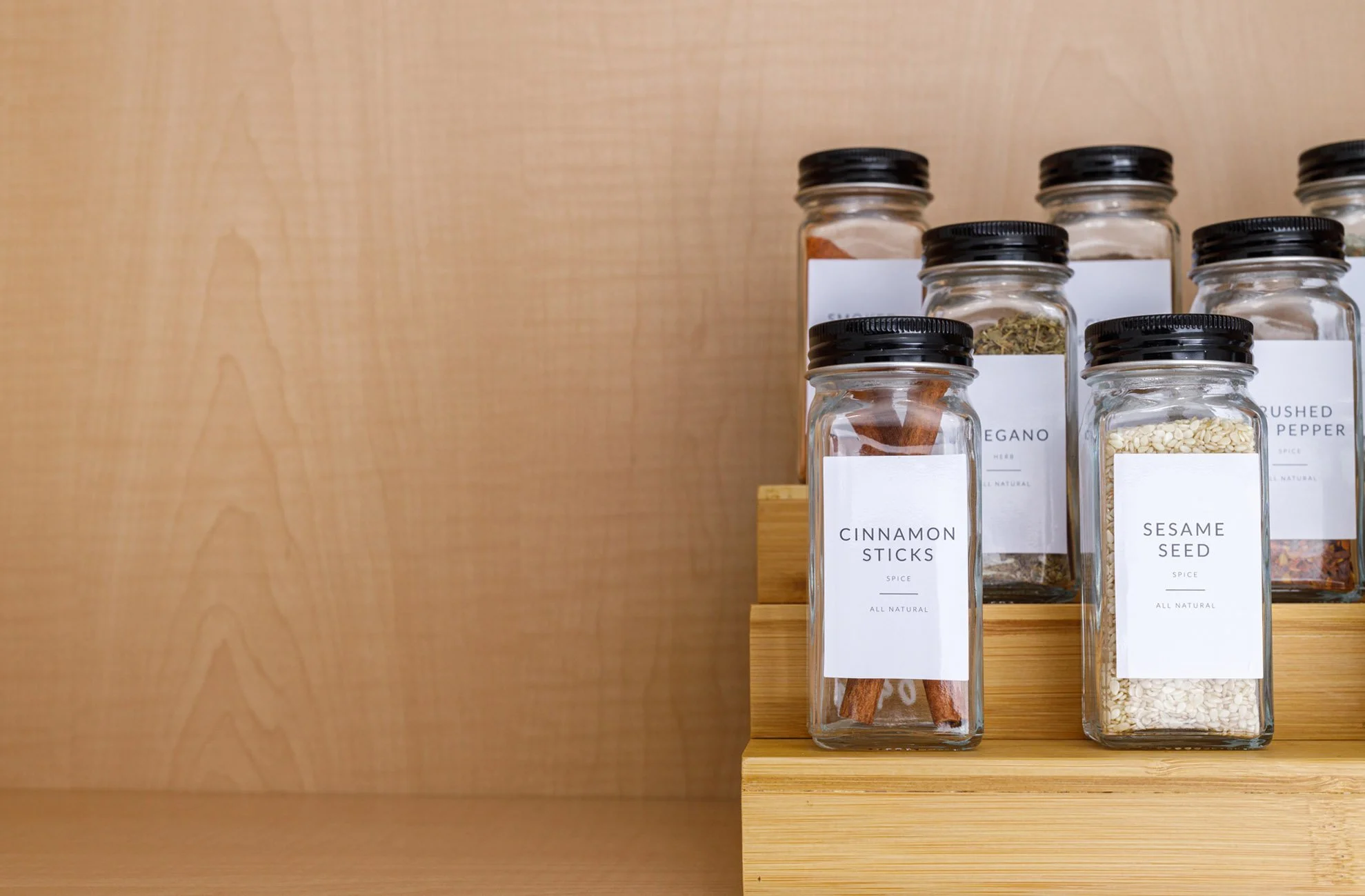
Labels are another key piece of a well-organized pantry. They remove guesswork and make it easier for everyone in your household to maintain the system. Whether you choose simple text labels or something more styled, clarity is what matters most.
The combination of clear categories, visible storage, and consistent labeling creates a pantry that feels effortless to use—and easy to reset when things get off track.
4. Make It Easy to Maintain
Even the most beautifully organized pantry will fall apart if it’s too complicated to maintain. The real goal is creating a system that fits seamlessly into your everyday life.
Start by thinking about accessibility. Frequently used items should be at eye level, while less-used items can be stored higher or lower. Kids’ snacks should be within reach so they can grab what they need without pulling everything else out.
It’s also helpful to build in small habits that keep your pantry in check. A quick weekly reset—just five to ten minutes—can make a huge difference. Straighten bins, toss expired items, and take note of what needs to be restocked.
Another simple but powerful habit is putting groceries away with intention. Instead of quickly stuffing items onto shelves, take a few extra seconds to place them in their designated zones. This prevents clutter from building up in the first place.
When your pantry is easy to maintain, it stays organized without requiring a full overhaul every few weeks.
Final Thoughts on Organizing Your Pantry
A well-organized pantry isn’t about perfection—it’s about creating a space that supports your routine and reduces daily stress.
By starting with a full reset, creating categories that reflect your real life, using containers and labels intentionally, and building simple maintenance habits, you set yourself up for long-term success.
If your pantry has felt like a constant source of frustration, take that as a sign that your current system just isn’t working for you—and that’s fixable. With a few thoughtful changes, you can turn it into a space that feels calm, functional, and easy to manage.
And as always, if it’s still too overwhelming to tackle alone, reach out for help today. We’d love to get it done for you while you spend your time in other more fun ways! Fill out your contact form here and let’s get this ball rolling.