
Tips For Your Kids’ Toy Room Organization
Creating a functional, calm toy room isn’t about achieving a picture-perfect space—it’s about building simple systems your family can actually maintain. When toys have a clear home and the room is set up with intention, kids can play more independently, cleanup becomes easier, and the entire space feels lighter. This is organizing for real life because people actually live in your home!
If your toy room currently feels overwhelming, you’re not alone. Most families aren’t dealing with a lack of storage—they’re dealing with too much stuff and systems that don’t match real life. Let’s walk through how to reset the space in a way that lasts.
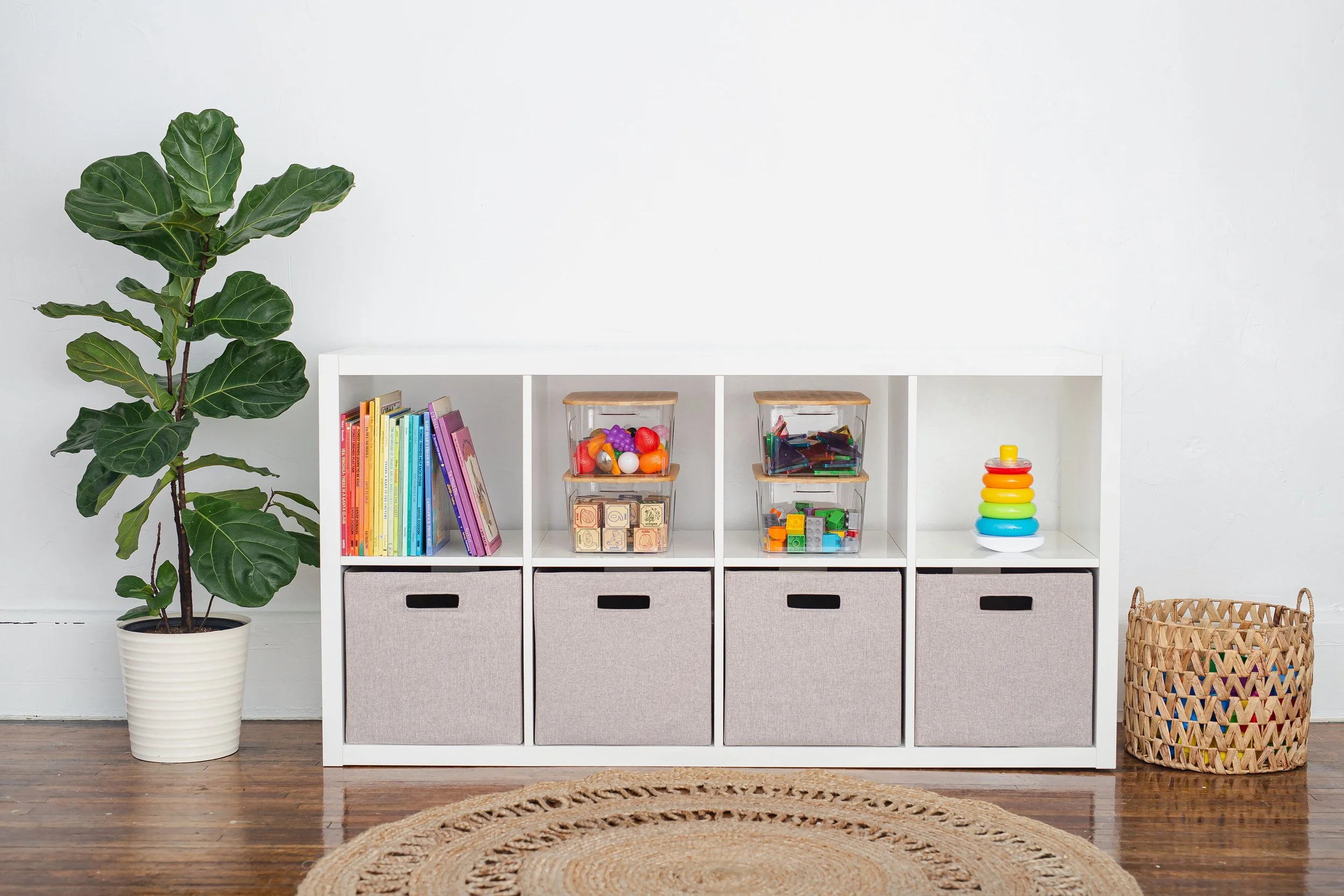
Start with Decluttering First
Before organizing anything, you need to reduce what’s in the room. This is the step people tend to rush through, but it’s the foundation for everything that comes next.
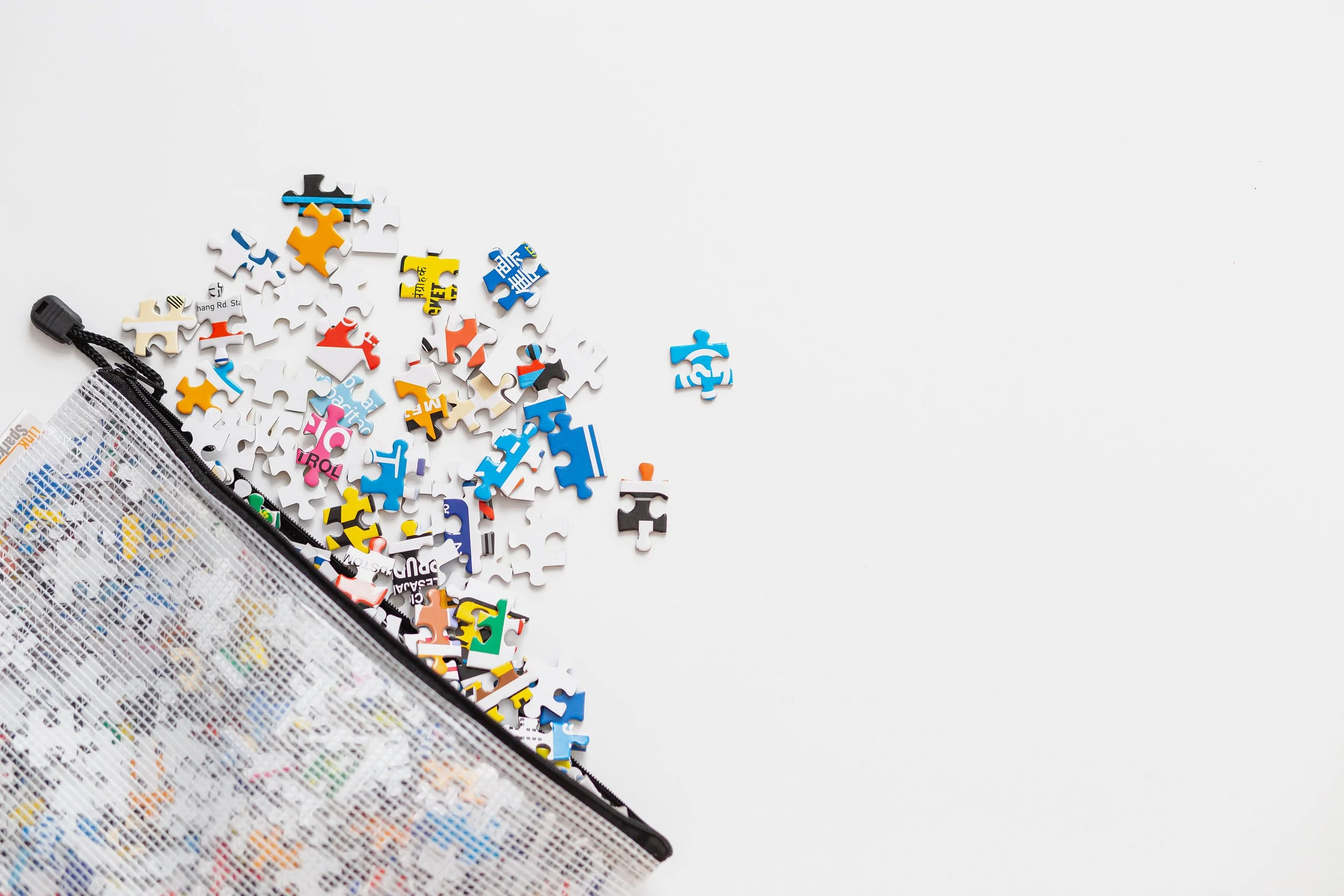
Go through toys by category instead of tackling the whole room at once. Gather all similar items together—like puzzles, dolls, or building toys—so you can clearly see how much you have.
As you sort, make simple decisions:
Toss anything broken, missing pieces, or no longer usable
Donate toys your kids have outgrown
Limit duplicates by keeping favorites and letting go of the rest
If you’re not sure where to begin, start with a simple, step-by-step approach like the one outlined in my post “Where to Start with Decluttering When You’re Feeling Overwhelmed.” It will help you build momentum before you ever touch a bin or label.
You don’t need to make this complicated. The goal is to create breathing room so your organizing systems aren’t working overtime.
Create Simple, Clear Zones
One of the most effective ways to organize a toy room is by creating zones. Instead of one large, undefined space, break the room into smaller areas based on how your kids play.
Think in terms of function:
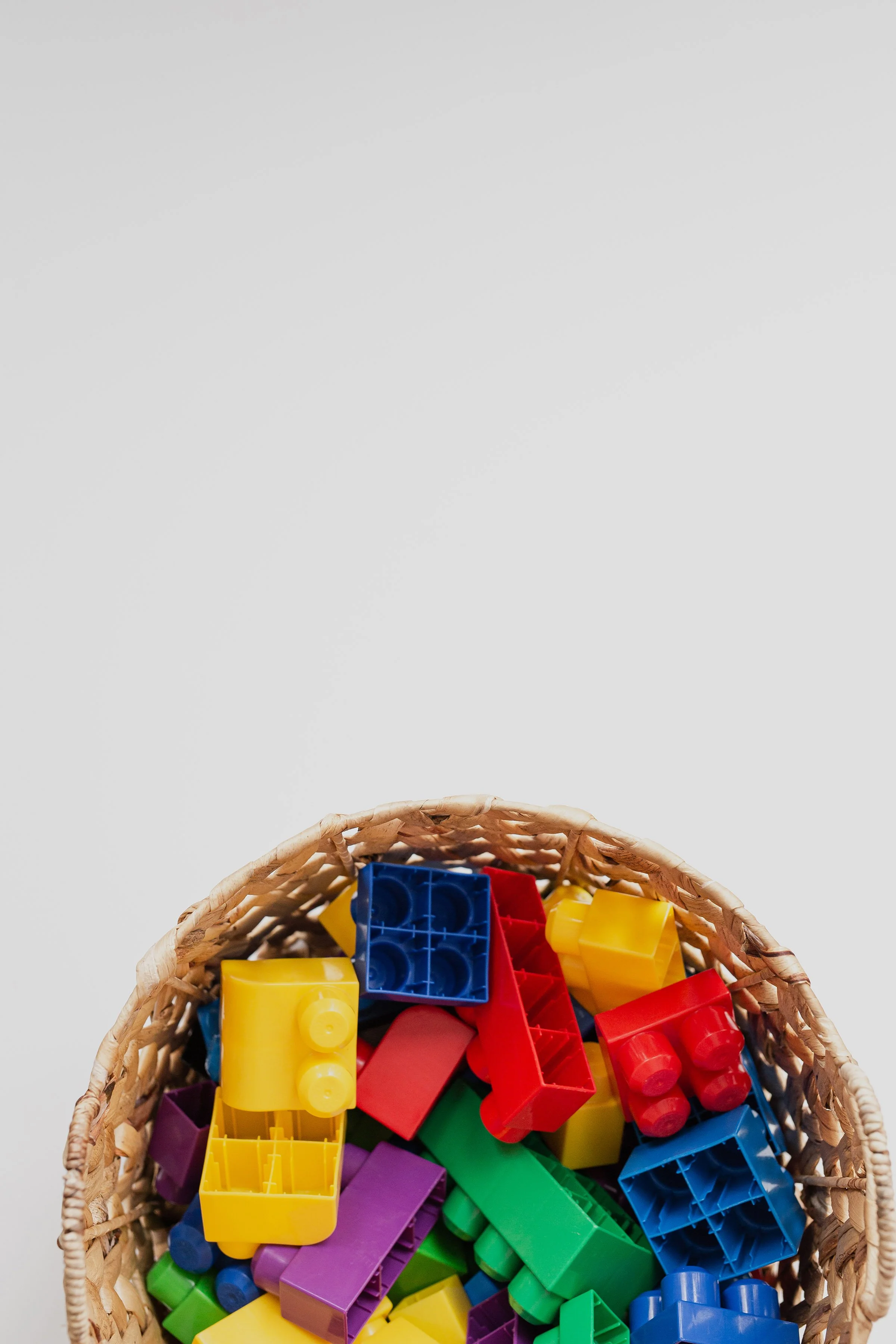
A building zone for blocks and LEGOs
A pretend play area for dolls, kitchens, or costumes
A reading corner for books and quiet time
An art station for crafts and creativity
When toys are grouped this way, it’s easier for kids to stay focused during play—and much easier for them to clean up afterward. They’re not guessing where things go; each item has a natural “home.”
Choose Storage That Works for Your Kids
It’s easy to get pulled toward beautiful bins and matching containers, but the most important question is: Will this actually work for your child?
Focus on function over aesthetics:
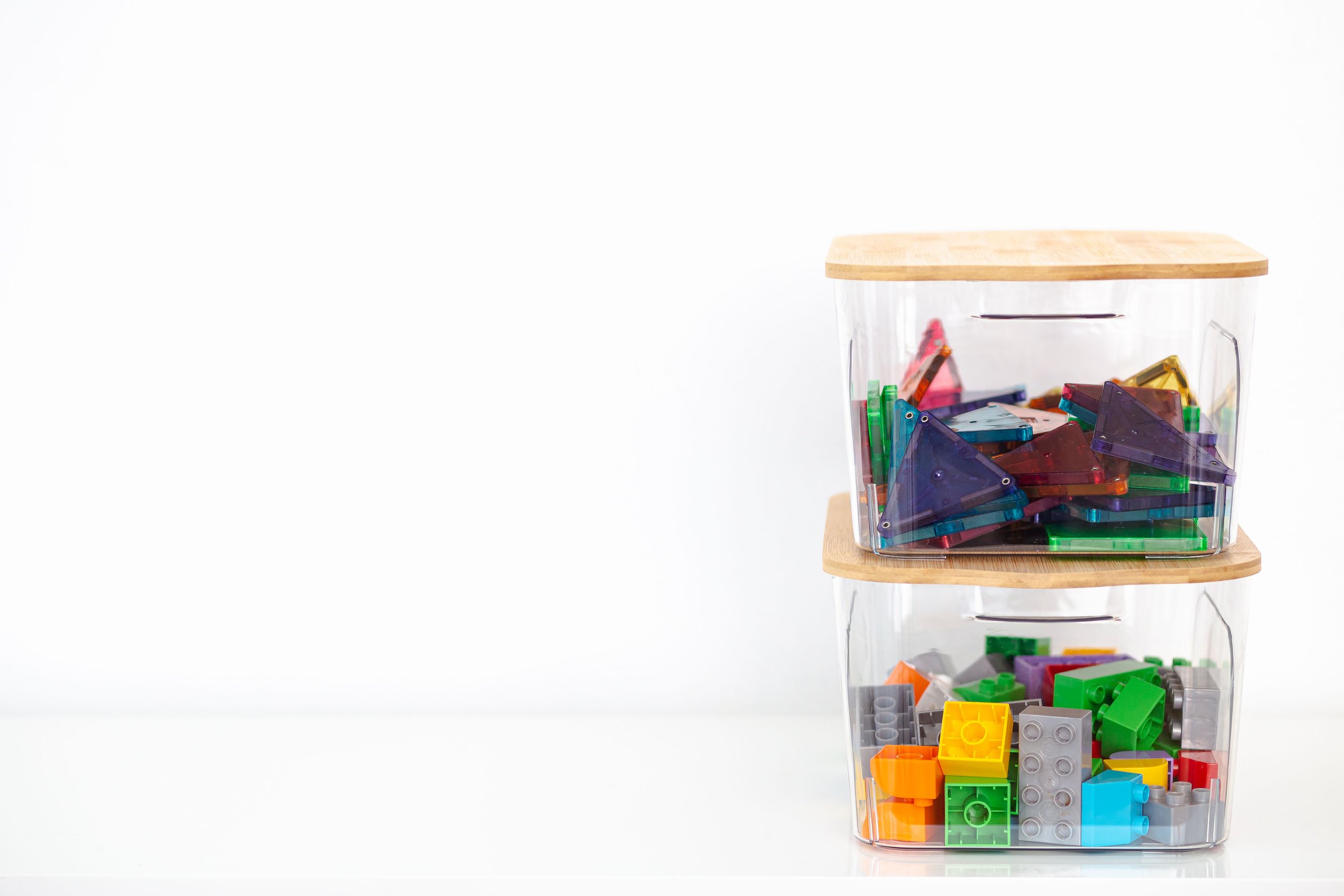
Use open bins so kids can grab and put away toys easily
Choose clear containers when possible so contents are visible
Keep everything at a height your child can reach independently
Use labels—words, pictures, or both depending on age
If a system is too complicated, it won’t be used consistently. The simpler you make it, the more successful it will be.
Make Cleanup Realistic (Not Perfect)
A well-organized toy room should make cleanup easier—but it won’t eliminate it altogether. It’s absolutely going to get messy again, and that is normal and expected. The key is building cleanup into your daily routine in a way that feels manageable. Once you have a solid system in place, it will be so much easier to maintain.
Instead of expecting one big reset at the end of the day, try smaller, consistent habits:
A quick tidy before dinner
A 5-minute reset before bedtime
Cleaning up one activity before moving to the next
You’re not aiming for perfection. You’re creating a rhythm that keeps things from getting out of control.
Rotate Toys to Reduce Overwhelm
If your kids seem to lose interest in their toys quickly or the room always feels messy, the issue may be too many options.
Toy rotation is a simple way to solve this. Instead of keeping everything out at once, store a portion of toys and only keep a selection available. Every few weeks, swap items out.
This approach:
Keeps the space feeling fresh without buying anything new
Reduces visual clutter
Makes cleanup faster and easier
You don’t need an elaborate system here—a few bins stored in a closet or basement works just fine.
Design for Independence
One of the biggest goals of organizing a toy room is helping kids use the space without constant help.
That means:
Keeping frequently used items within easy reach
Avoiding heavy lids or complicated containers
Making it obvious where things belong
When kids can manage their space independently, they’re more likely to take ownership of it. And that’s where your organizing system really starts to stick.
Be Willing to Adjust
No system is perfect right away. Pay attention to what’s working—and what’s not.
If toys are constantly left out, ask yourself why:
Is the storage too complicated?
Are there too many items in one bin?
Is the location inconvenient?
Small tweaks can make a big difference. Organizing isn’t a one-time project—it’s something that evolves as your kids grow and their needs change.
Keep It Simple and Sustainable
At the end of the day, the best toy room organization system is one your family can maintain. It doesn’t need to look like a showroom—it just needs to function well for your daily life.
Focus on:
Less clutter
Clear zones
Easy-to-use storage
Consistent, simple routines
When those pieces are in place, the toy room becomes a space where your kids can play freely—and where you don’t feel constantly overwhelmed by the mess.
And that’s the real goal: creating a space that feels calm, usable, and supportive of your everyday life.
If It’s Still Too Overwhelming? You Know Who to Contact
Move Over Mess Organizing is here and ready for your toy room organizing project. We’ve been tackling a lot of play spaces lately and absolutely love getting our hands on these projects. If you’re ready to waive the white flag and ask for help, and if you live in the Milwaukee area, reach out today by filling out our contact form. We’d be honored to help!
